
We Empower...
Parents, Children, and Adults to develop emotional awareness, improve social skills, and gain effective coping skills resulting in improved peer relationships, increased family harmony, and a calmer & more relaxed demeanor.
Live outside of Boise?




About Boise Music Therapy Company
Hi, I'm Samantha Foote, the Founder of Boise Music Therapy Company.
I am a board-certified music therapist, a Positive Discipline Parent Educator, and a registered Music Together teacher.
I obtained a Bachelor of Science degree from Utah State University and completed my Masters of Music with a specialization in Music Therapy degree from Colorado State University.
I am a Neurological Music Therapy Fellow and a Dialectical Behavior Therapy-informed Music Therapist.
When I am not working, I enjoy spending time with my husband, children, and extended family.
We enjoy fishing, camping, and other outdoor adventures.
Services

Music Therapy
Music Therapy is the clinical and evidence-based use of music interventions to accomplish individualized goals within a therapeutic relationship by a credentialed professional who has completed an approved music therapy program.
Behavior Intervention
Behavior Intervention focuses on teaching children skills they need to be successful in their home, school, and community. Skills worked on may include social/emotional skills, cognitive skills, daily living skills, and others.


Parent Support
We provide support to Parents of children with Neurodivergency in the form of a membership. Launching December 14th 2023.
Podcast
Every Brain is Different," the podcast designed to support parents navigating the journey of raising a neurodivergent child. Join us as we delve deep into crucial topics like ADHD, Autism, sensory challenges, and more. Discover practical tips, personal stories, and expert insights that empower and uplift both you and your child. Join our community of like-minded individuals celebrating neurodiversity. Let's explore, learn, and embrace the uniqueness of every brain - together.

Services
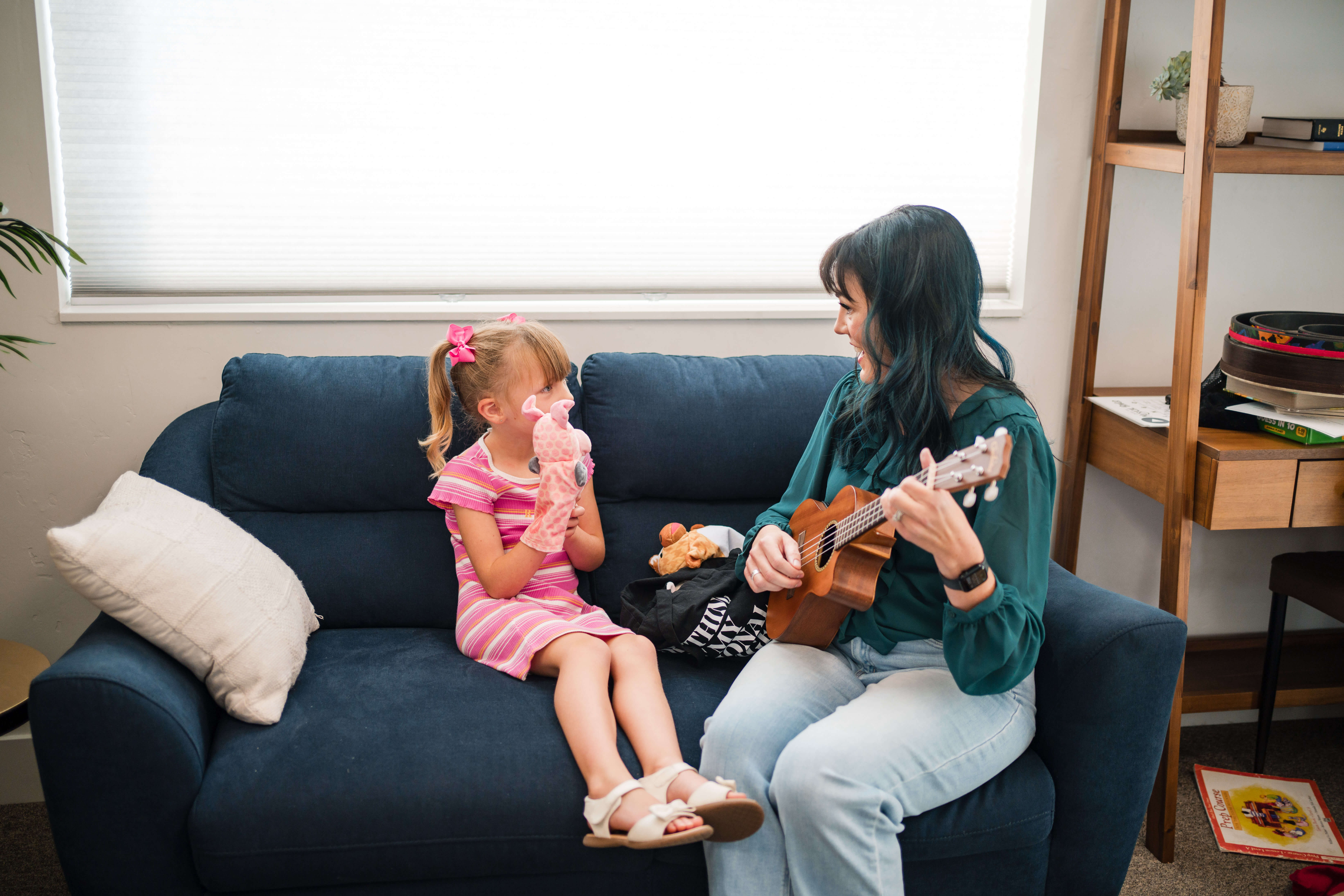
Music Therapy
Music Therapy is the clinical and evidence-based use of music interventions to accomplish individualized goals within a therapeutic relationship by a credentialed professional who has completed an approved music therapy program.
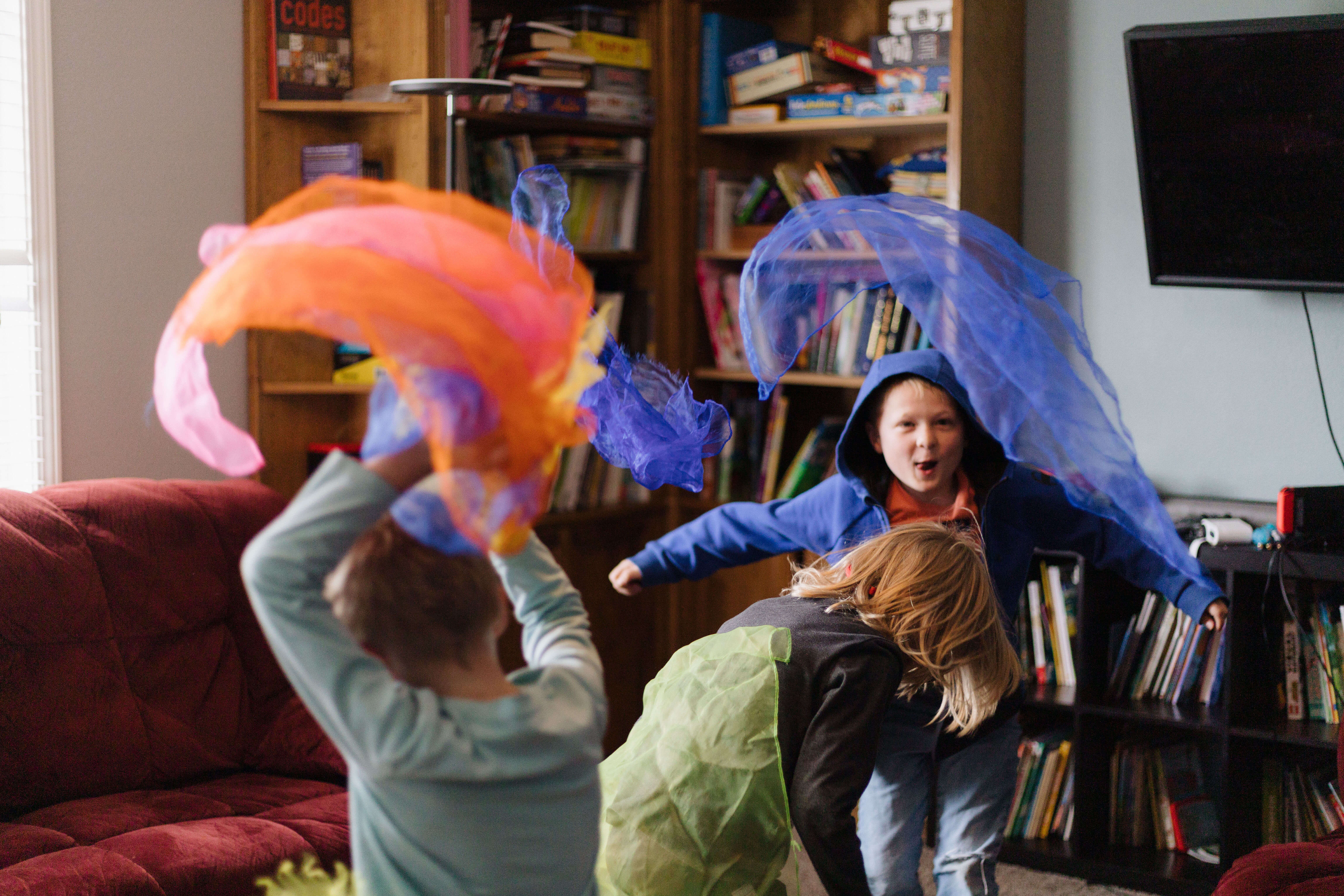
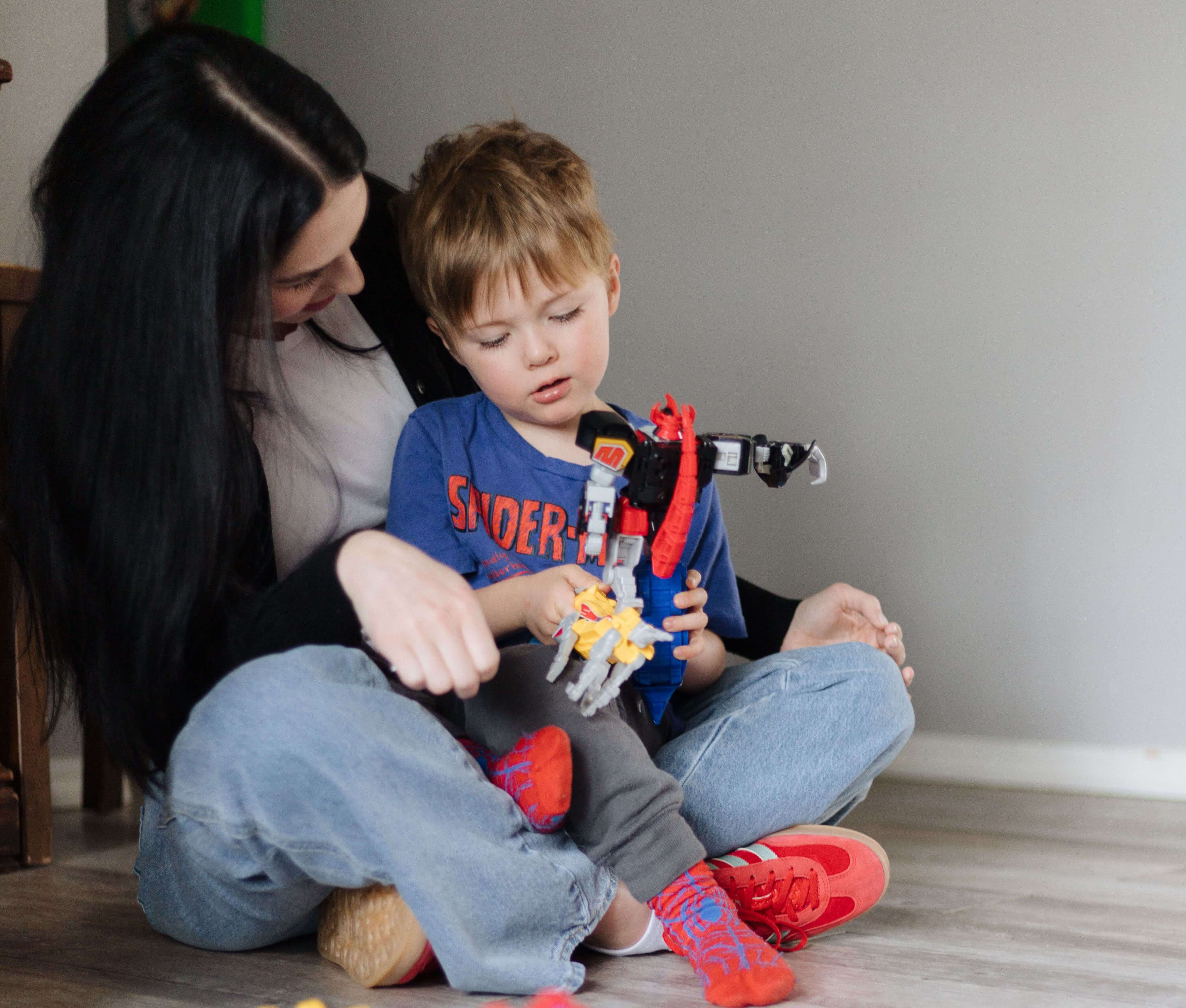
Behavior Intervention
Behavior Intervention focuses on teaching children skills they need to be successful in their home, school, and community. Skills worked on may include social/emotional skills, cognitive skills, daily living skills, and others.
Parenting Support
We provide support to Parents of children with Neurodivergency (and Providers) in the form of a membership.
Every Brain Is Different Podcast
"Every Brain is Different," the podcast designed to support parents navigating the journey of raising a neurodivergent child. Join us as we delve deep into crucial topics like ADHD, Autism, sensory challenges, and more. Discover practical tips, personal stories, and expert insights that empower and uplift both you and your child. Join our community of like-minded individuals celebrating neurodiversity. Let's explore, learn, and embrace the uniqueness of every brain - together.

Customer Reviews
★★★★★
"Our favorite music therapist, Gabby, from Boise Music Therapy Company was able to return to Aspen Lane and sing with our residents! It’s been over a year since we’ve been able to have her in the community and we are so grateful to have her back! Lots of singing, smiling, and dancing happening today at Aspen Valley!" - May 17, 2021
Aspen Valley, Senior Living
★★★★★
"Samantha is a warm, enthusiastic instructor. I’ve participated in her drum circles where I enjoyed the freedom to express through music without judgment and to try a variety of instruments. It’s fascinating to experience the power and energy in each group and notice how each experience is unique. I recommend you give her a try and see what Boise Music Therapy can do for you and your family."
Mary Ann Hill
Client Wins
★★★★★
An 8-year-old client came to me crying because all of his classmates had a best friend, except him. We created a plan to help him develop the emotional intelligence and social skills needed to be confident in finding friends. We did this using music therapy interventions. For example, we would focus on one emotion, happy, and ask him to play music that sounded happy. It took lots of work to help him gain confidence, but with lots of encouragement, he learned how to read emotions in other people and gain needed social skills. The best day was when he came to therapy and excitedly shared that he had made a friend in his class. I cried that day.
★★★★★
A client with a traumatic brain injury could not process spoken questions. When the questions were sang to him he could process and answer them. I worked with a speech therapist and the client to help him learn to answer spoken questions. First we used picture cards and music to help him and then slowly backed off the music and cards until he could answer questions that were spoken to him.
FAQS
Does my child have to know how to play an instrument to do music therapy?
Not at all, and honestly, that's one of the most common misconceptions we hear. You don't need any musical background whatsoever to benefit from music therapy. Most of what happens in a session doesn't involve learning an instrument in a traditional sense. Therapists use music in many forms including listening, rhythm activities, movement, and songwriting to help clients work toward their goals. If your child happens to love playing guitar or piano, that can certainly be part of the work. But it's never a requirement.
What can we expect from Music Therapy?
Boise Music Therapy Company offers music therapy services and piano/guitar lessons to people of all ages and abilities, parent coaching, and Music Together classes. Not only do we take private pay clients, but we also work with state approved clients.
What is music therapy, and how is it different from music lessons?
Music therapy is a clinical, evidence-based practice where a board-certified therapist uses music intentionally to help clients reach specific health and developmental goals. That might include improving communication, building emotional regulation, developing social skills, or supporting physical rehabilitation. It's not about learning an instrument or performing, though those things can sometimes be part of the process. Music lessons, on the other hand, focus on skill development in music itself. Our therapists are credentialed professionals who have completed accredited music therapy programs and passed a national board certification exam, so what happens in a session is always goal-directed and grounded in research.
Do you work with children who have autism or ADHD?
Yes, and it's some of the most rewarding work we do. Music is uniquely effective for neurodivergent children because it engages multiple areas of the brain at once. For kids with autism, music therapy can support communication, social interaction, sensory regulation, and emotional expression. For children with ADHD, rhythm-based interventions are particularly effective for improving attention, impulse control, and task completion. Every child's plan is individualized based on their specific goals, strengths, and needs, so sessions look different from one client to the next.
What's the first step to getting started?
Schedule a free consultation with us. We use that initial conversation to learn about your child or loved one, understand their goals, and figure out which of our services is the right fit. From there, we'll complete a thorough assessment and handle any required paperwork, including state documentation if applicable. Once that's done, we get started. There's no pressure and no commitment required from the consultation itself.
Where do sessions take place?
We offer sessions at our clinic in Meridian, in your home, and in community or school settings depending on the service. Music therapy can be done individually or in small groups at our clinic space. Our ABA therapy team also works with clients in schools across the Treasure Valley. Virtual options are available for parenting support and coaching. Wherever your family is most comfortable, we'll work to make it happen.